
Paris Culture: What It Really Means for Escorts, Tourism, and Daily Life
When people talk about Paris culture, the blend of history, art, social codes, and underground economies that define daily life in the city. Also known as French urban culture, it’s not just about postcards—it’s the unspoken rules that govern who gets seen, who gets paid, and who gets left out. This isn’t the Paris of romance novels or luxury ads. It’s the city where a fashion week intern can earn more in a night than a teacher does in a week, and where a business traveler hires an escort not for sex, but for someone who knows how to navigate the metro at midnight without getting scammed.
Paris culture, the blend of history, art, social codes, and underground economies that define daily life in the city. Also known as French urban culture, it’s not just about postcards—it’s the unspoken rules that govern who gets seen, who gets paid, and who gets left out. This isn’t the Paris of romance novels or luxury ads. It’s the city where a fashion week intern can earn more in a night than a teacher does in a week, and where a business traveler hires an escort not for sex, but for someone who knows how to navigate the metro at midnight without getting scammed.
That’s why Paris culture can’t be separated from the escort industry. The two are tangled together—like haute couture and street slang, like the Louvre and the backrooms of Montmartre. The same discretion that lets a model slip into a private showing at Chanel lets an escort walk into a five-star hotel without being questioned. The same silence that protects artists from paparazzi protects sex workers from police raids. Paris culture rewards subtlety. It doesn’t celebrate loudness. It doesn’t reward begging for attention. It rewards knowing where to stand, when to speak, and how to disappear.
And it’s changing. With rent up 40% in five years and minimum wage stuck in 2019, more women are turning to companionship work—not because they want to, but because they have to. The clients? Not just tourists anymore. They’re French engineers, retired professors, single fathers, and stressed-out startup founders. The locations? Not just hotels. They’re Airbnb apartments in the 13th, quiet cafés in the 15th, even libraries with private study rooms. The old rules are breaking. The new ones? Nobody’s written them down yet.
Paris culture also isn’t what you see on Instagram. It’s the woman who works at a vintage shop by day and takes clients at night, who knows which boulangerie gives free bread to regulars, which metro line is safest after 11pm, and which lawyer offers free advice to sex workers. It’s the unspoken network that keeps people alive when the system won’t help. It’s the way fashion brands quietly hire escorts to model clothes at private events—not for photos, but because they need someone who won’t talk, won’t leak, and won’t embarrass them.
There’s no single Paris culture. There are dozens—each neighborhood has its own rhythm, its own secrets, its own survival tactics. The 16th? Luxury, discretion, and silence. The 18th? Hustle, grit, and loud music. The 13th? New arrivals, digital bookings, and quiet resilience. And underneath it all? The same thing: people trying to live, earn, and stay safe in a city that pretends not to notice them.
What follows is a collection of real stories, hard facts, and unfiltered insights from the people who live this every day. You’ll find guides on safety, history on how the industry evolved, breakdowns of legal gray zones, and interviews with women who’ve turned survival into strategy. No fluff. No fantasy. Just what’s actually happening in the city’s shadows—and why it matters to everyone who walks its streets.
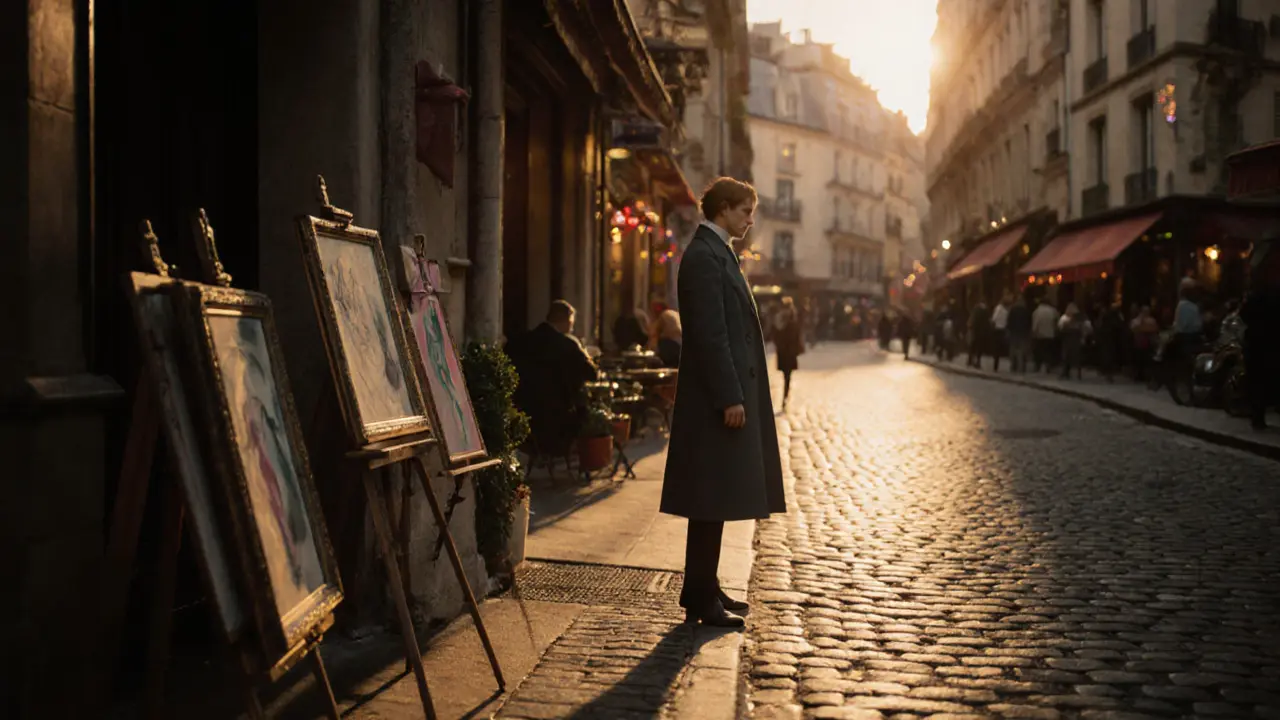
How Art and Escort Services Intersect in Paris
In Paris, escort services blend with art, culture, and performance-creating a quiet, elegant world where companionship is curated like a gallery exhibit. This is not just about sex-it's about beauty, memory, and the art of being seen.