
How Art and Escort Services Intersect in Paris
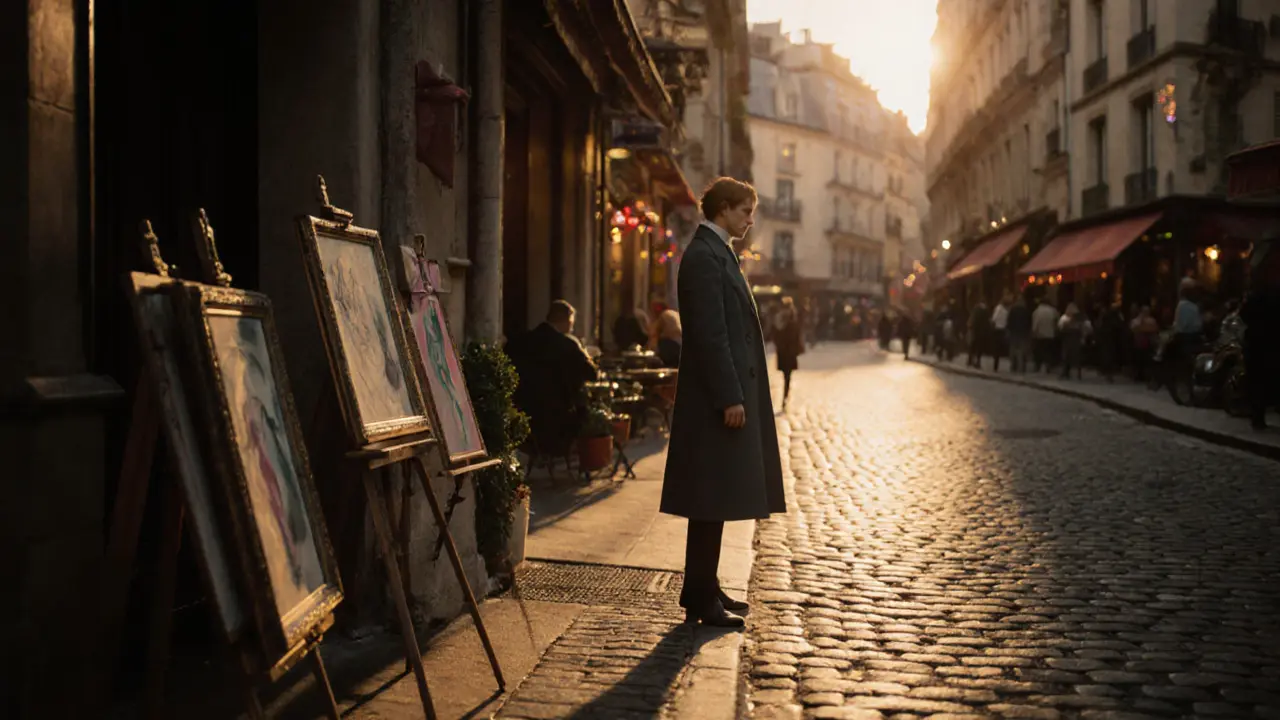
Paris has long been a city where beauty, desire, and expression blur into one another. Walk through Montmartre at dusk, and you’ll see painters still set up their easels where Picasso once worked. But step into a quiet side street near Rue des Martyrs, and you might notice something else: women and men in tailored coats, waiting near cafes, their presence as quiet as the brushstrokes on a canvas. This isn’t just about sex work. It’s about performance, aesthetics, and the unspoken rules of who gets to be seen-and who gets to pay to be seen.
The History of Beauty as Currency
In the 1800s, Paris was the epicenter of bohemian life. Courtesans like La Païva and Cora Pearl didn’t just sell companionship-they curated it. They hosted salons, collected art, wore couture designed by Worth, and were photographed by Nadar. Their value wasn’t just physical; it was cultural. They moved in the same circles as writers, composers, and painters. Their beauty was a performance, and their clients weren’t just buyers-they were patrons.
Today, that legacy hasn’t disappeared. It’s evolved. Modern escorts in Paris often present themselves as more than service providers. Many maintain Instagram profiles with carefully lit photos of themselves in front of the Louvre, wearing vintage dresses, holding books by Colette or Sartre. Their captions reference art history. Their profiles read like gallery bios: "Inspired by Klimt’s gold leaf," or "Dinner at Musée d’Orsay at sunset-BYOB (Bring Your Own Book)."
Performance as Art
Think of an escort’s work as a live art installation. Every interaction is choreographed: the way they hold a glass of wine, the tone of their voice when discussing Baudelaire, the timing of a pause before answering a question. There’s a rhythm to it, like a dancer’s movement. A client doesn’t just pay for time-they pay for the illusion of intimacy, the feeling of being understood in a city that often feels cold and anonymous.
Some escorts in Paris train in theater, dance, or even classical music. One escort I spoke with, who goes by the name Elise, studied opera in Lyon before moving to Paris. She now offers "cultural evenings"-dinners where she sings arias while her guest sips Bordeaux. "It’s not about sex," she told me. "It’s about creating a moment that feels real, even if it’s temporary. That’s what art does."
The Role of Space and Aesthetics
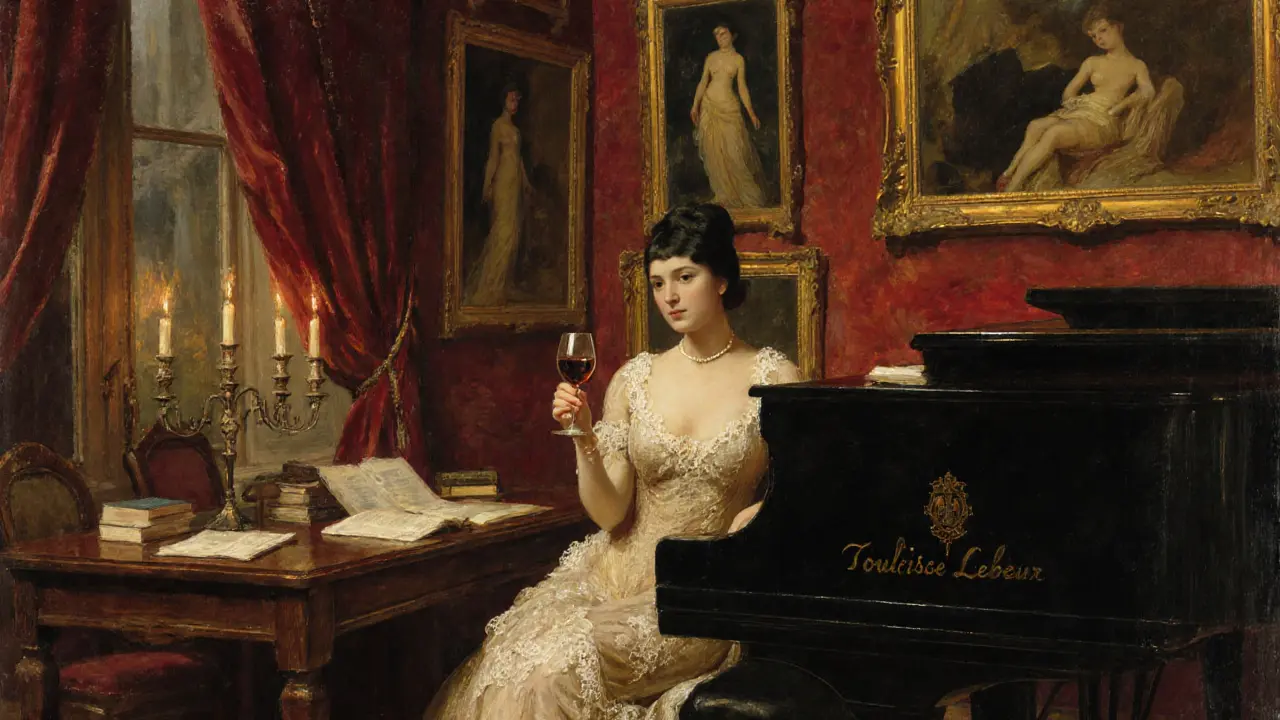
Location matters. Many high-end escorts in Paris work out of apartments in the 6th or 7th arrondissements-areas with high ceilings, original moldings, and views of the Seine. These aren’t just offices. They’re curated spaces. Think: velvet drapes, oil paintings from flea markets, vintage gramophones playing Debussy. The environment is part of the service. A client isn’t just paying for a person-they’re paying to enter a world designed to feel like a 1920s novel come to life.
Compare this to a typical hotel room in a business district. The difference isn’t just price-it’s intention. One is transactional. The other is experiential. And in Paris, experience is everything.
Legal Gray Zones and Cultural Tolerance
Prostitution is not illegal in France, but soliciting, pimping, and operating brothels are. That means escorts can’t advertise openly, and they can’t work in groups. But they can meet clients in private residences, cafes, or rented apartments. This legal ambiguity has shaped how the industry operates. It’s underground, yes-but it’s also quiet, elegant, and deeply embedded in the city’s fabric.
Unlike in cities where escort services are openly commercialized, Paris maintains a veneer of discretion. This isn’t because of morality-it’s because of tradition. Parisians value subtlety. A client doesn’t walk into a red-light district. He receives a text: "Le Jardin des Tuileries, 7 PM. Bring the Baudelaire anthology."
Artists Who Saw the Beauty in the Margins
Many of Paris’s most famous artists found inspiration in the women society tried to erase. Toulouse-Lautrec painted courtesans in their dressing rooms, not on the street. Degas captured the quiet exhaustion of dancers after performances. Even Manet’s "Olympia"-the painting that shocked Paris in 1865-was a portrait of a courtesan staring directly at the viewer, unapologetic.
Today, that same unapologetic presence lives on. Some escorts commission local artists to paint their portraits. Others collaborate with photographers to create limited-edition zines, sold privately to collectors. One escort, known only as "Luna," had a series of black-and-white portraits taken by a former student of Cartier-Bresson. The photos were displayed in a pop-up gallery in the Marais for three days. No one knew who the subjects were. The exhibit was titled: "The Invisible Women of Paris."
Why This Matters Beyond the City Limits
What’s happening in Paris isn’t unique-it’s extreme. In cities like Berlin, Amsterdam, or Tokyo, the line between sex work and performance art is also thinning. But Paris is different because of its history. Here, beauty has always been tied to power. And power, in this context, isn’t just about money-it’s about control over narrative.
When an escort in Paris says, "I’m not a prostitute, I’m a hostess," she’s not just being polite. She’s reclaiming a story that was written for her by others. She’s saying: I am not a commodity. I am a curator of moments. I am part of this city’s soul.
And maybe that’s the real intersection: not between sex and art-but between identity and expression. In a world that wants to label, categorize, and sell everything, these women and men refuse to be reduced to a single role. They’re artists. They’re performers. They’re Parisians.
What Clients Are Really Looking For
Most clients don’t come for sex alone. They come because they feel invisible in their own lives. A businessman from Tokyo might spend €800 for an evening because he hasn’t had a real conversation in months. A widower from London might want to hear someone quote Rimbaud while they sit by the window, watching the lights on the Pont Alexandre III.
The service isn’t about physical intimacy. It’s about emotional resonance. And that’s exactly what great art does-it makes you feel seen, even if only for a moment.
The Future of This Intersection
As digital platforms grow, the escort industry in Paris is shifting. Apps like OnlyFans and private booking sites have replaced the old networks of referrals. But the aesthetic remains. Profiles still feature art photography. Bios still mention favorite poets. Dates still happen near museums.
Some younger escorts are even starting podcasts-talking about their favorite exhibitions, the books they’ve read, the history of the streets they walk. One, named Camille, has a show called "The Art of Being Alone." It’s not about sex. It’s about loneliness, beauty, and the quiet dignity of choosing your own path.
Paris won’t change its nature. It never has. But the people who move through its shadows are rewriting the story. They’re not asking to be understood. They’re asking to be remembered.
Are escort services legal in Paris?
Yes, selling sexual services is not illegal in France. However, activities like soliciting in public, operating brothels, or profiting from someone else’s sex work are banned. This means escorts in Paris typically work independently, meeting clients in private spaces like apartments, cafes, or rented rooms. The legal gray area allows for discretion but limits advertising and group operations.
Do escorts in Paris really interact with art and culture?
Many do. It’s not universal, but a significant number of high-end escorts in Paris have backgrounds in theater, music, literature, or visual arts. Some host private dinners with art-themed playlists, offer guided tours of museums, or commission portraits from local artists. Their work is often framed as cultural companionship-where conversation, atmosphere, and aesthetics matter as much as physical presence.
Why do clients pay so much for these services?
Clients aren’t just paying for sex-they’re paying for an experience. In a city known for romance and beauty, the value lies in the illusion of connection. A client might pay €500-€1,000 for an evening that includes dinner, conversation about literature, a walk through a quiet garden, and emotional presence. It’s about feeling understood, admired, or simply not alone-even if it’s temporary.
Is this just a modern trend, or does it have historical roots?
It has deep historical roots. In the 19th century, Parisian courtesans were cultural icons who hosted salons, collected art, and influenced fashion and politics. Figures like Cora Pearl and La Païva were as famous as artists of their time. Today’s escorts are continuing that tradition-not by replicating it, but by adapting it to modern tools and social norms. The core idea remains: beauty, intellect, and companionship as forms of power.
How do escorts in Paris protect their privacy?
They use pseudonyms, avoid public platforms, and rely on word-of-mouth referrals or encrypted apps. Many use separate phones, burner emails, and private booking systems. Their social media profiles are carefully curated to avoid personal details-photos are taken in public spaces but never show identifiable landmarks or home addresses. Privacy is part of the service.