
Historical Prostitution in Paris: From Streets to Shadows
When you think of historical prostitution in Paris, the long-standing, often romanticized presence of sex work in the city’s social fabric. Also known as Parisian sex work history, it’s not just about morality tales or old photographs—it’s about survival, power, and the quiet ways women carved out space in a city that both exploited and celebrated them. This isn’t a story of glamour. It’s about women who walked the boulevards of Montmartre in the 1800s, sold their time in back rooms near Gare du Nord, and later moved online to avoid police raids. Their lives shaped Paris’s economy, its art, and even its laws.
The Belle Époque, a period from the 1870s to 1914 when Paris became a global hub of culture and vice. Also known as Paris’s golden age of vice, it was here that prostitution became a visible, almost institutionalized part of daily life. Courtesans dined with artists and politicians. Brothels like La Maison Close were licensed, regulated, and frequented by soldiers, diplomats, and tourists. Meanwhile, streetwalkers in the 10th and 11th arrondissements worked under constant threat of arrest. The difference wasn’t just location—it was class. The wealthy could pay for discretion; the poor paid with their freedom. This divide still echoes today in how escort services are perceived—some seen as luxury, others as desperation.
Then came the 1946 law that shut down legal brothels. What followed wasn’t the end of sex work—it was its transformation. The trade didn’t vanish. It went underground. Women moved to apartments, used phone lines, then websites. The Paris red-light districts, areas like La Butte Montmartre and the Canal Saint-Martin edges where sex work once thrived openly. Also known as Parisian vice zones, they didn’t disappear—they evolved into digital networks, private meetups, and discreet bookings. Today, you won’t find women standing on corners. But you’ll find ads on encrypted apps, Instagram DMs, and private Telegram groups. The same forces that drove women into sex work in 1890—poverty, lack of opportunity, systemic neglect—are still at play. Only now, they’re hidden behind algorithms.
What you’ll find in the posts below isn’t fiction. It’s real voices—from women who worked the streets, clients who sought connection, and historians who tracked how Paris’s economy relied on this invisible labor. You’ll read about how fashion houses quietly hired escorts to accompany models during shows. You’ll learn why business travelers still turn to companionship in a city where loneliness is expensive. And you’ll see how the same streets that once hosted courtesans now host digital escorts negotiating rates in French and English.
This isn’t about judgment. It’s about truth. The history of prostitution in Paris isn’t a footnote. It’s the backbone of how the city became what it is. And if you want to understand why sex work still exists here—how it’s shaped, hidden, and sometimes even protected—you need to start with the past. What came before didn’t vanish. It just changed its address.
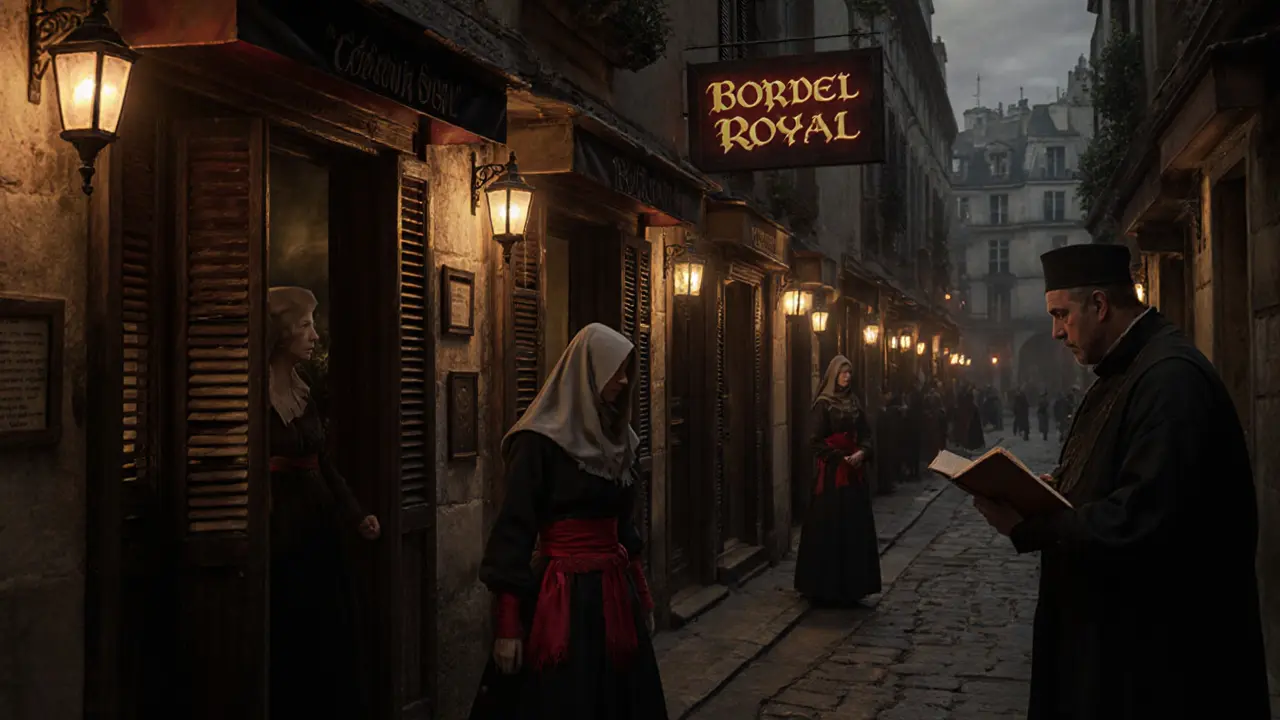
The History of Escort Services in Paris: From Brothels to Modern Companionship
Explore the hidden history of escort services in Paris-from medieval brothels and Enlightenment courtesans to today’s digital companions. Discover how law, culture, and survival shaped this enduring industry.