
The Fashion Industry in Paris: Real Stories, Hidden Rules, and What No One Tells You
When people talk about the fashion industry, a global system of design, production, and consumption centered around clothing and style. Also known as apparel industry, it's not just about who wears what—it’s about who gets seen, who gets paid, and who gets left behind. In Paris, this system has roots deeper than the sewers under Montmartre. It’s not just Chanel and Dior on billboards. It’s the seamstress working 14-hour days in a basement near Canal Saint-Martin, the intern who doesn’t get paid but gets a line on the next big show, and the stylist who makes a €2,000 dress look like it cost €200—all to keep a client happy.
The Paris fashion, the cultural and economic force that drives global trends from the city’s ateliers to international runways. Also known as French fashion capital, it doesn’t care if you’re from Lyon or Lagos. If you’ve got the look, the grit, and the right connections, you’re in. If not, you’re invisible. And that’s the brutal truth. The haute couture, ultra-luxury, custom-made clothing that requires 60+ hours of handwork and strict certification by the French government. Also known as custom fashion,> is still alive—but it’s shrinking. Most of the real money now flows through fast fashion partnerships, influencer collabs, and underground pop-ups in the 10th arrondissement. The big houses still hold the licenses, but the creativity? That’s happening in garages, co-ops, and Instagram DMs.
There’s a myth that Paris fashion is all elegance and art. The truth? It’s a high-stakes game of survival. Designers burn out by 30. Models get replaced before they turn 25. Tailors work with needles in their fingers and debt in their bank accounts. And yet, it keeps going. Why? Because someone, somewhere, still believes in the power of a perfectly stitched seam. Someone still remembers that a dress can tell a story louder than words. That’s what you’ll find in the posts below—not glossy ads or PR spin, but the raw, unfiltered voices behind the scenes. You’ll read about the women who built empires from nothing, the ones who walked away because the cost was too high, and the ones who still show up every morning, needle in hand, because they refuse to let the light go out.
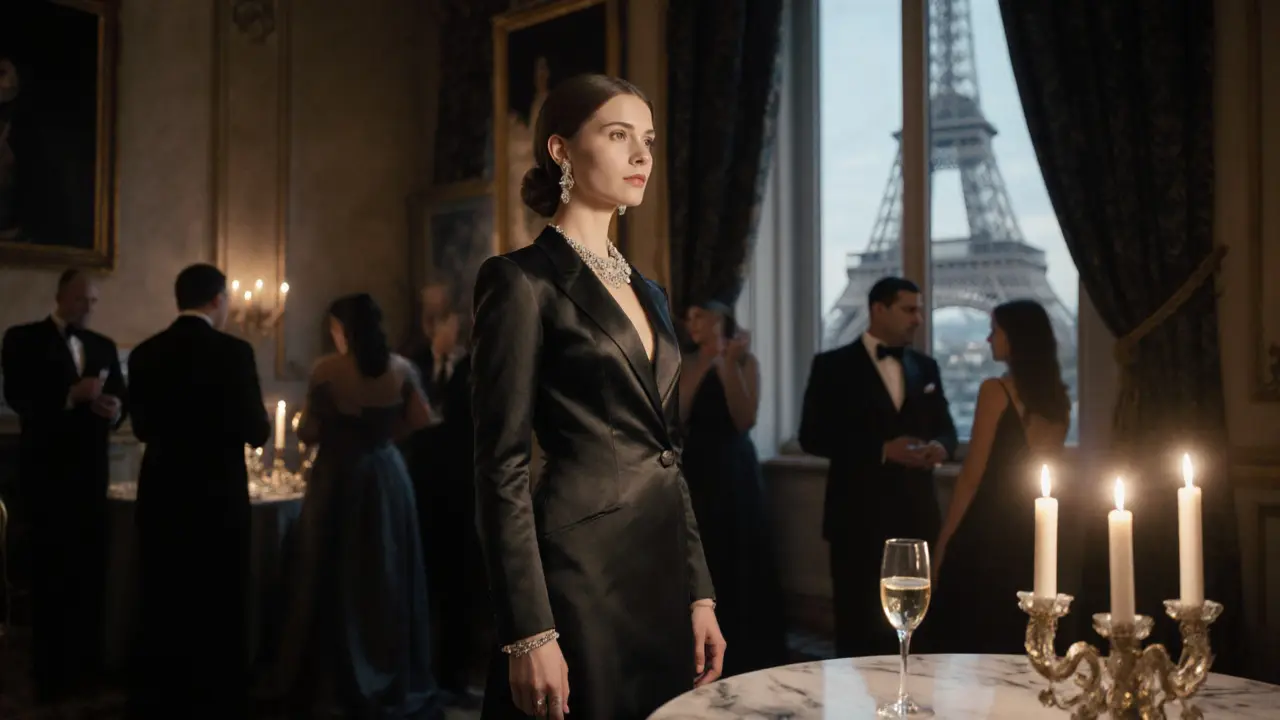
How Escorts in Paris Are Tied to the Fashion Industry
The connection between escorts in Paris and the fashion industry is built on discretion, access, and unspoken trust-not publicity or paid promotions. It's how fashion stays elite, and how some women gain power behind the scenes.