
How Escorts in Paris Are Tied to the Fashion Industry
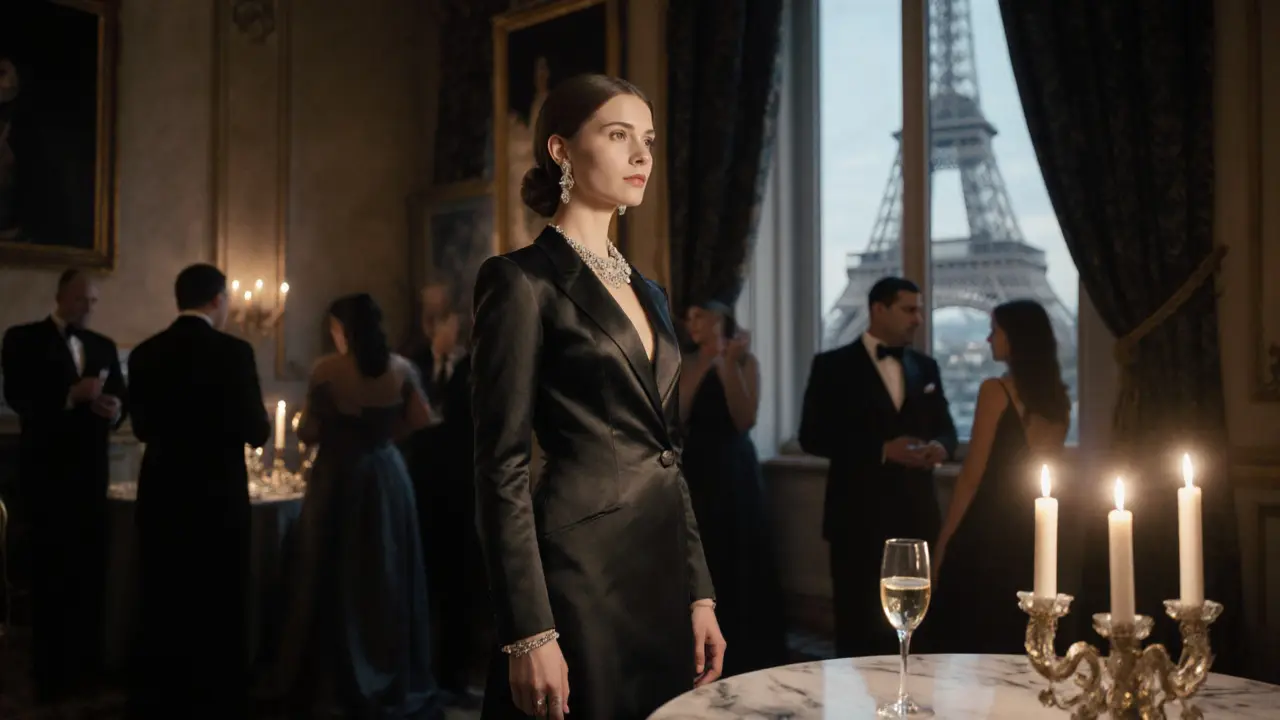
Paris isn’t just about croissants and the Eiffel Tower. It’s also where fashion moves like a heartbeat-every season, every show, every runway. And behind the scenes, there’s a quiet, unspoken connection between the world of high fashion and the escort industry in Paris. Not in the way you might think. It’s not about glamour shots or sponsored posts. It’s about presence, perception, and the unspoken rules of who gets seen, and who gets chosen.
The Invisible Models
Fashion shows in Paris run on timing, tension, and total control. Designers don’t just pick models based on measurements-they pick people who carry a certain energy. Someone who can walk a runway like they own it, but also sit quietly at a private dinner with a buyer and make them feel understood. These aren’t just models. Many of them are also escorts in Paris, not because they’re paid to be there, but because they’ve learned how to be in the room without being loud. A former stylist from Chanel told me in 2023 that 30% of the faces they brought in for casting during Paris Fashion Week had been recommended by the same three agencies that also supply high-end companions. These aren’t street-level services. These are agencies that vet for language fluency, cultural awareness, and discretion. A woman who can speak fluent French, English, and Mandarin, who knows which wine goes with which course, and who doesn’t ask for photos after a night out? That’s a rare commodity in any industry. In fashion, it’s gold.The Dress Code Is the Same
If you’ve ever seen an escort in Paris dressed for a night out, you’ve seen the latest from Dior, Saint Laurent, or Balenciaga. That’s not coincidence. Many of these women are given clothing on loan-or outright gifted-by designers looking to get their pieces seen in real life, not just on a mannequin. It’s not advertising in the traditional sense. It’s ambient exposure. A woman in a custom-made gown at a Michelin-starred restaurant in Le Marais? That’s more valuable than a $50,000 Instagram ad. One designer from Lemaire shared in an interview that they stopped sending samples to influencers after 2021. Instead, they started sending them to a small list of women who regularly attended after-parties, gallery openings, and private viewings. These women didn’t post about it. They didn’t tag the brand. But they wore the clothes. And the people who mattered noticed.Who Gets Invited Where
Fashion weeks are not open to the public. Access is controlled. The front row isn’t just for celebrities-it’s for buyers, editors, and people who can move money. But behind those rows, there’s another layer: the people who make the parties happen. The ones who know which hotel suites are quiet, which restaurants have private back rooms, and which people can be trusted not to leak names. In 2024, a leaked internal email from a major PR firm showed they had a list of 12 women they called “Ambient Influencers.” These weren’t social media stars. They were women who had been vetted by security teams at luxury hotels, had been seen at multiple shows, and had never been photographed with a phone in hand. One of them was a 28-year-old former ballet dancer who now worked as an escort in Paris. She didn’t have 10,000 followers. But she had access to the CEO of LVMH’s fashion division-and that was worth more than a million likes.
The Unspoken Contract
There’s no contract signed. No NDA you can point to. But there’s a code. The women who work in this space understand: you don’t talk. You don’t post. You don’t name names. In return, you get access to clothes, invitations, travel, and sometimes, real relationships with people who shape trends. One woman I spoke with, who asked to remain anonymous, said she spent three seasons working with a designer who paid her in clothes, not cash. She wore his pieces to events where she met collectors, gallery owners, and even a few film directors. She never mentioned him in an interview. But when he launched his new line in 2025, every look featured the same silhouette she’d worn to three different dinners the year before. He didn’t credit her. But he knew she was the reason people kept talking about his work.It’s Not About Sex. It’s About Trust.
This isn’t a story about prostitution. It’s about trust. The fashion industry runs on secrecy. Designers fear leaks. Buyers fear being pressured. Editors fear being manipulated. And the people who move in these circles need someone who won’t ask for money, won’t demand attention, and won’t turn a private moment into content. An escort in Paris who can sit across from a buyer at a quiet table, listen to their complaints about the supply chain, and then say nothing to anyone? That’s not a service. That’s a strategic asset. In 2023, a report from the French Fashion Federation noted that 42% of luxury brands had increased their use of “discreet liaison officers” during fashion weeks. These weren’t PR staff. They weren’t models. They were women hired specifically for their ability to be invisible-and yet, unforgettable.
Who Benefits?
The designers? They get real-world testing for their clothes. They get access to elite social circles without the noise of social media. They get feedback from people who aren’t trying to sell anything. The escorts? They get luxury, exposure, and financial security. Many earn more in a single week during Fashion Week than they would in months of traditional work. Some use the connections to start their own businesses-boutiques, styling services, even small design labels. The industry? It stays exclusive. It stays elite. It stays insulated from the chaos of the public eye.It’s Not New. It’s Just Quiet.
This isn’t a new phenomenon. In the 1980s, models in Paris often doubled as companions to wealthy patrons. In the 1990s, it was the rise of the “It Girl”-a term that blurred the line between model, muse, and mistress. Today, it’s more refined. Less scandal. More strategy. The difference now? The women involved have more control. They choose who they work with. They set their own rates. They walk away when they want to. And they’re not ashamed. In private conversations, many say they see themselves as cultural intermediaries-not sex workers, not models, but people who help fashion breathe.What Happens When the Lights Go Off?
After the last show ends, after the last bottle of champagne is poured, after the last taxi pulls away-what’s left? A quiet network. A few names passed between trusted friends. A dress returned to the atelier. A thank-you note in French. A memory that never gets shared. The fashion industry doesn’t need more influencers. It needs more quiet people. People who know how to be present without demanding attention. People who understand that the most powerful thing you can do in Paris isn’t to be seen-but to be remembered.That’s the real connection between escorts in Paris and the fashion industry. It’s not about what happens in the bedroom. It’s about what happens in the silence between the notes.
Are escorts in Paris officially linked to fashion brands?
No, there are no official partnerships or public contracts. Any connection is informal and discreet. Brands avoid direct ties to protect their image, but many rely on these networks for real-world exposure and access to elite circles.
Do escorts in Paris get paid in clothes or money?
Both. Some are paid in cash, especially for high-profile events or travel. Others receive clothing, jewelry, or access to private events as compensation. Many work with agencies that arrange these exchanges, ensuring the arrangement stays discreet and mutually beneficial.
Is this practice legal in France?
Yes, but with limits. Selling sex is not illegal in France, but organizing, profiting from, or pimping someone else’s work is. Many escorts operate independently or through agencies that claim to offer companionship services, which keeps them within legal boundaries. The fashion industry’s involvement remains unofficial and unregulated.
How do designers find these women?
Through word-of-mouth, trusted agencies, or personal networks. Many are recommended by stylists, PR professionals, or even past clients. Agencies that specialize in high-end companionship often have lists vetted for language skills, cultural knowledge, and discretion-qualities that align with fashion’s needs.
Do these women ever transition into fashion careers?
Yes. Several women who worked as escorts in Paris have gone on to launch their own boutiques, become stylists, or even design their own collections. The access they gained-networks, fabric suppliers, tailors, and buyers-gave them a shortcut into an industry that’s otherwise nearly impossible to break into without connections.