
The Role of Escorts in Paris' High Society and Social Events
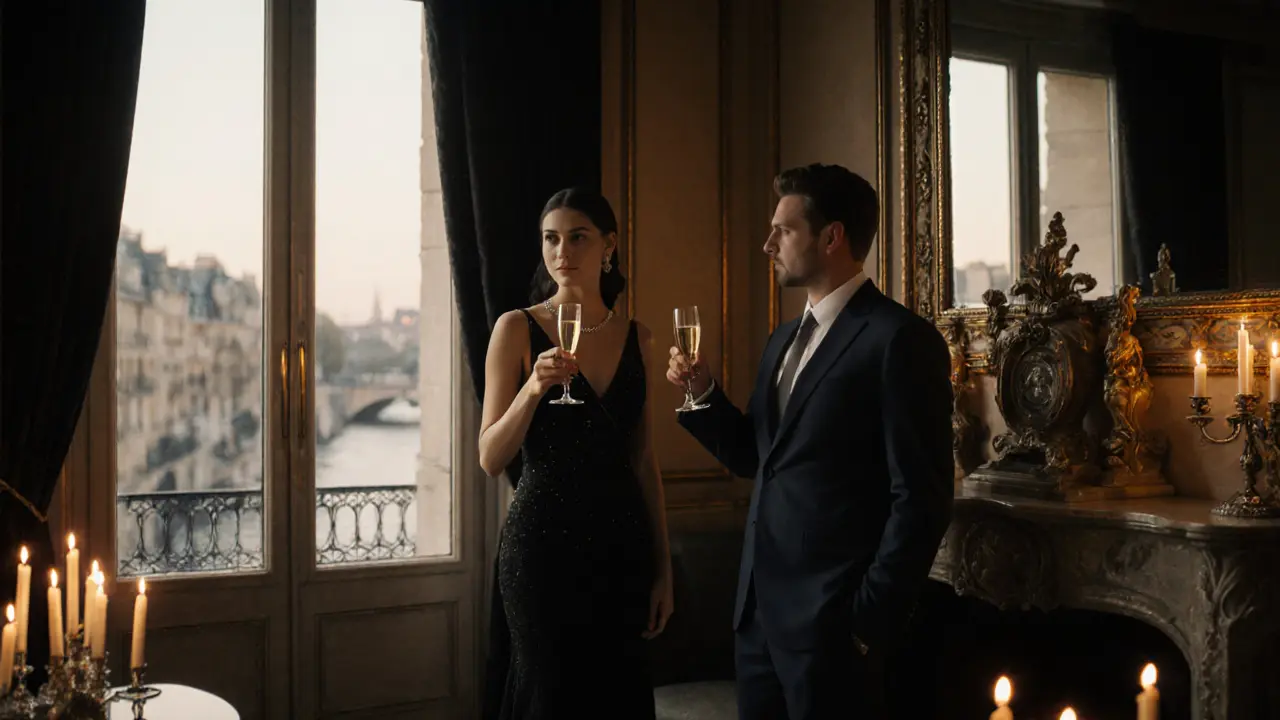
Paris has long been a stage for power, beauty, and carefully curated appearances. Behind the gilded doors of private salons and the candlelit tables of Michelin-starred dinners, a quiet but powerful presence often sits beside the city’s most influential figures: the escort. Not the kind you see in tabloids or late-night ads, but the discreet, polished professionals who move through Paris’ elite circles with the ease of a gallery curator and the precision of a diplomat.
These individuals aren’t just companions-they’re cultural navigators. They know which gallery opening to skip because the curator is in a bad mood, which champagne to pour at a diplomat’s dinner, and how to steer a conversation away from a political landmine. Their value isn’t in physical attraction alone; it’s in emotional intelligence, linguistic fluency, and an uncanny ability to make people feel seen without ever stealing the spotlight.
Who Really Hires Them?
The clients aren’t just wealthy businessmen or aging aristocrats. You’ll find them in the front row at the Opera Bastille, seated beside ministers at the Élysée Palace’s private receptions, or quietly sipping absinthe at Le Procope after a fashion week afterparty. Many are women-executives, artists, diplomats-who need a confident, articulate presence to balance the social equation. A woman attending a gala alone is often assumed to be unavailable, lonely, or unimportant. With an escort by her side, she becomes a force.
In the 2020s, demand has shifted. It’s less about secrecy and more about social leverage. A French CEO bringing an escort to a Swiss banking summit isn’t trying to hide anything-she’s signaling she has access to the right networks. The escort, in turn, brings connections: a curator from the Louvre, a journalist from Le Monde, a former ambassador who still holds influence. These aren’t random hires. They’re vetted, often through word-of-mouth networks that have existed for decades.
The Training Behind the Scenes
There’s no school for this, but there are mentors. Many top escorts in Paris spent years in hospitality, journalism, or even classical music before making the transition. One former opera singer told me she learned to read a room faster on stage than she ever did in conservatory. Another, a former diplomat’s aide, said she was taught to never interrupt, never ask personal questions, and always know when to leave the room.
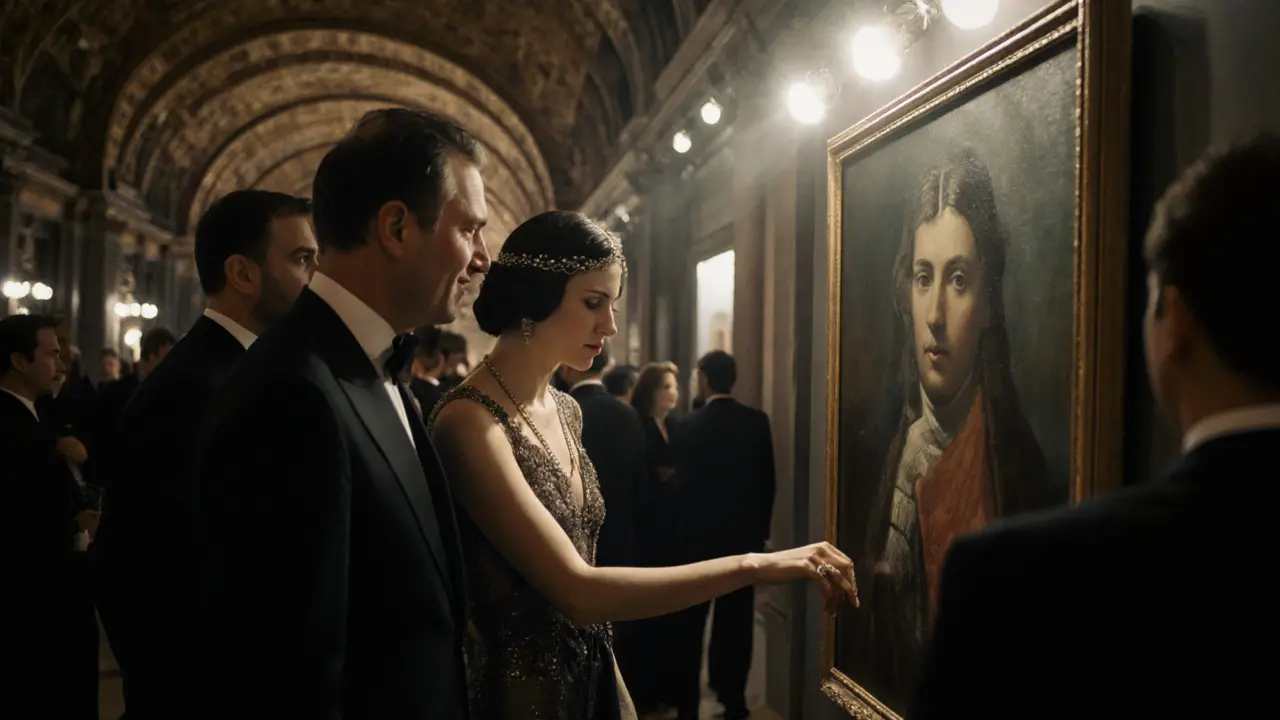
Training includes mastering French etiquette-how to hold a wine glass at a state dinner, when to use ‘vous’ versus ‘tu’, how to decline an offer without offense. They study art history so they can casually mention a painting’s provenance at a private viewing. They learn multiple languages: not just English and Italian, but also Russian for oligarchs, Arabic for Gulf royals, Mandarin for tech investors from Shanghai.
They’re not just dressed in Chanel-they’re dressed for context. A client attending a charity auction at the Grand Palais will need a different look than one heading to a private jazz club in Le Marais. The wardrobe isn’t chosen by the escort. It’s curated by a stylist hired by the agency, often with pieces loaned from designers who want their clothes seen in the right places.
The Unspoken Rules
There are no contracts. No receipts. No public records. The system runs on silence. An escort who talks doesn’t work in Paris for long. Agencies don’t advertise. They don’t have websites. They operate through trusted referrals-lawyers, hotel concierges, gallery owners, even nannies who work for the elite.
Payment is never discussed in front of others. It’s done in cash, wire transfer, or sometimes through a gift: a painting, a vintage watch, a season ticket to the Paris Opera. One escort I spoke with said she was once gifted a 1920s Cartier bracelet after accompanying a client to three months of private art auctions. She didn’t keep it-she returned it to the agency, which then sold it to fund another escort’s training.
There’s also a strict code: no sleeping with clients unless explicitly agreed upon-and even then, it’s rare. Most engagements last four to six hours. The goal isn’t intimacy; it’s performance. A client doesn’t want to be seduced. They want to be impressed. They want to feel like they’re hosting a perfect evening, not just paying for company.
The Social Engine
Think of escorts as the hidden architects of Parisian social mobility. They open doors that aren’t on any guest list. They introduce a young novelist to a publisher who only attends dinners on Tuesdays. They smooth over an awkward moment when a politician says something offensive. They’re the reason some events feel effortless, even when they’re chaotic behind the scenes.
At the Biennale des Antiquaires, one escort was responsible for bringing together a Saudi prince, a French art historian, and a Chinese collector who hadn’t spoken in years. The result? A $17 million painting changed hands that night. No one mentioned the escort’s name in the press. But the dealer knew who made it happen.
These interactions aren’t transactional-they’re relational. The best escorts build long-term trust. Some work with the same clients for over a decade. They know their preferences, their fears, their quirks. One client only drinks Earl Grey at 4 p.m. and refuses to speak about politics after midnight. Another needs someone who can recite Baudelaire in French, English, and German to calm his nerves before a board meeting.
Why It’s Not What You Think
Most people assume this world is about sex. It’s not. It’s about presence. It’s about being the calm center in a storm of egos. It’s about knowing when to laugh, when to stay silent, and when to disappear. The most successful escorts in Paris don’t look like models-they look like people you’d want to sit next to at dinner.
They’re often older than people expect. Many are in their 40s and 50s. They’ve lived through wars, revolutions, economic crashes. They’ve seen the rise and fall of empires, both political and personal. That experience is what makes them valuable. A 25-year-old can be beautiful. A 48-year-old who’s seen it all can be unforgettable.
Their work isn’t glamorous in the way movies show it. There are no champagne showers or paparazzi flashes. It’s quiet. It’s early mornings at the Jardin du Luxembourg before the tourists arrive. It’s waiting in a car for six hours while a client attends a funeral. It’s memorizing the names of ten grandchildren so they can ask about them later.
The Future of Parisian Social Dynamics
As wealth becomes more global and Paris remains a cultural capital, the demand for skilled companionship isn’t fading-it’s evolving. More clients are from Asia and the Middle East, and they expect the same level of discretion, but with a different cultural lens. Some now hire escorts who can also serve as translators, cultural liaisons, or even social media managers for their public image.
Younger generations are less interested in secrecy. They want authenticity. They don’t want someone pretending to be something they’re not. The most successful agencies now recruit people with real backgrounds: ex-museum curators, linguists, former diplomats. They don’t hire models. They hire thinkers.
The role of the escort in Paris isn’t about exploitation. It’s about mutual need. The elite need someone who can navigate their world without judgment. The escorts need a space where their intelligence, emotional skill, and cultural knowledge are valued more than their youth or appearance.
Paris doesn’t need escorts to survive. But its social fabric would unravel without them. They’re the invisible thread holding together the glittering surface of the city’s most exclusive moments. And in a world obsessed with visibility, that’s the most powerful kind of invisibility there is.