
How Technology Is Changing the Paris Escort Industry Today

Twenty years ago, finding an escort in Paris meant word-of-mouth referrals, phone calls to unlisted numbers, or flipping through dusty magazines in back-alley shops. Today, it’s a tap away. A smartphone, a stable internet connection, and a few minutes of browsing are all it takes to connect with someone in Paris who offers companionship for hire. Technology hasn’t just made the escort industry more accessible-it’s completely reshaped how it operates, who participates, and what safety and expectations look like.
The Shift from Street to Screen
In the early 2000s, many escorts in Paris worked independently on the streets or in small, discreet apartments. Visibility was low, and trust was built slowly. Today, the vast majority operate online. Platforms like private websites, Instagram profiles, Telegram channels, and dedicated escort apps have replaced physical advertising. A simple search for "escort Paris" returns dozens of profiles with professional photos, detailed bios, pricing lists, and verified reviews. This shift has made the industry more transparent but also more competitive.
One major change? The rise of personal branding. Escorts now treat their profiles like mini-businesses. They hire photographers, use editing tools to enhance images, write compelling descriptions, and even run targeted ads on Google and Meta. Some have built followings of thousands across social media. Their income isn’t just from bookings-it’s from subscriptions, private content, and affiliate partnerships with local businesses like luxury hotels or perfume boutiques.
Booking Systems and Payment Tech
Booking is no longer a phone call followed by nervous back-and-forth texts. Most services now use automated booking systems built into their websites. Clients select a date, time, duration, and service package. The system checks availability, sends a confirmation, and often includes a digital waiver or consent form. Some platforms even integrate calendar syncing with Google Calendar or Apple Calendar so both parties stay aligned.
Payment has become equally streamlined. Cash is still used in some cases, but digital payments dominate. Services accept PayPal, Stripe, Revolut, and even cryptocurrency like Bitcoin or Ethereum. Many platforms use escrow systems where the client pays upfront, and the escort receives funds only after the appointment is confirmed as completed. This reduces scams on both sides.
One real example: A 28-year-old escort in the 16th arrondissement reported that since switching to a payment platform with escrow, her no-show rate dropped from 22% to under 4%. She now books 15-20 appointments a month, up from 8-10 before the change.
Security, Verification, and Trust
Technology has also introduced new layers of safety. Many platforms now require ID verification through government-issued documents uploaded via encrypted portals. Some use facial recognition to confirm the person in the photo matches the person showing up. Clients can also check reviews from past visitors-similar to how you’d check a hotel on Booking.com.
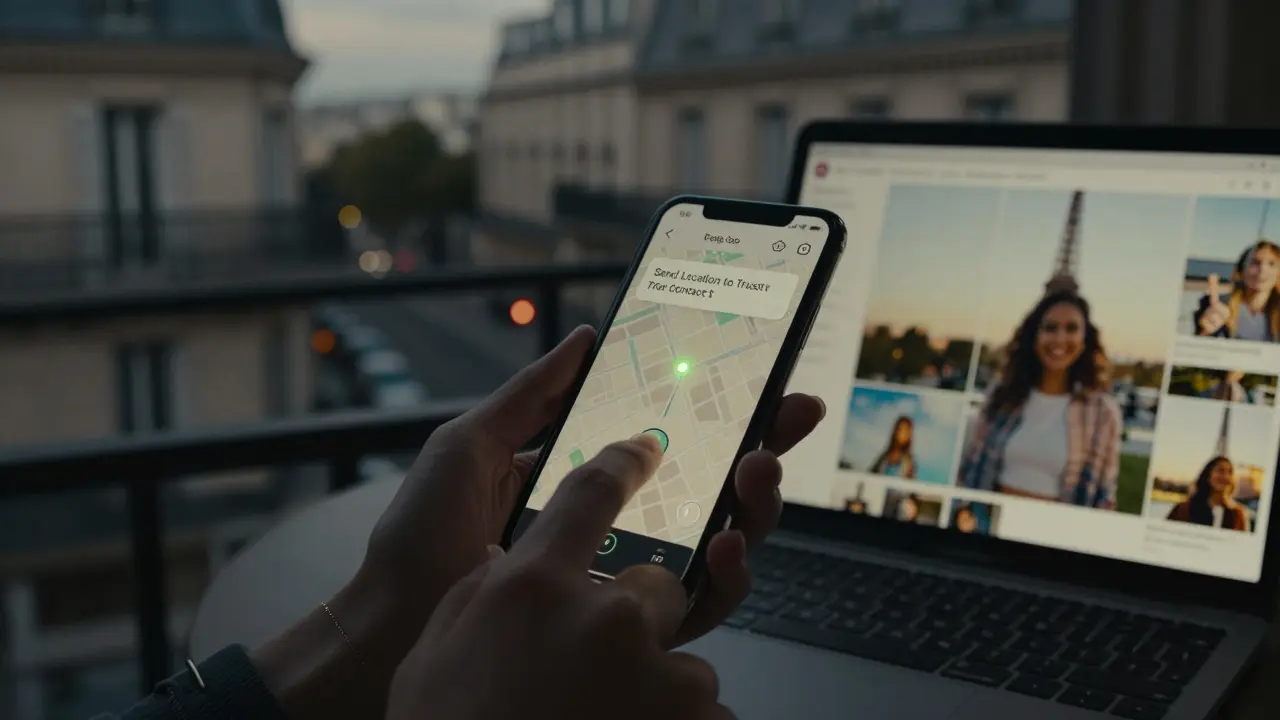
There’s also a growing trend of escorts sharing live location tracking with trusted friends during appointments. Apps like Life360 or Find My Friends are commonly used. Some even use discreet panic buttons tied to their phones that send alerts with their GPS coordinates to pre-selected contacts if they feel unsafe.
On the client side, some platforms now require verified profiles. Users must link a phone number, email, and sometimes even a credit card to book. This cuts down on fake accounts and reduces harassment. One escort in Montmartre said she stopped getting abusive messages after her site started requiring verified profiles. "It’s not perfect," she said, "but it’s a lot quieter now."
AI and the Rise of Virtual Companions
Artificial intelligence is quietly entering the space. While AI chatbots can’t replace human connection, they’re being used to screen clients before booking. Some profiles use AI to analyze incoming messages for red flags-like requests for illegal activities, aggressive language, or known scam phrases. If the system flags a message, it’s either blocked or sent to the escort for review.
There’s also a small but growing market for AI-powered virtual companions. These aren’t real people-they’re chatbots trained to mimic conversation styles, remember preferences, and even simulate emotional responses. A few Paris-based entrepreneurs have started offering these as low-cost alternatives for clients who want companionship without physical interaction. Prices range from €10 to €50 per hour. While not a replacement for human escorts, they’ve carved out a niche among older clients and those with social anxiety.
Marketing, Algorithms, and Visibility
Getting noticed in today’s market isn’t just about looking good-it’s about understanding algorithms. Escorts who rank high on search engines or appear in app recommendations often use SEO tactics: keyword-rich bios (like "Paris escort with English fluency" or "luxury companion for business travelers"), consistent posting schedules, and backlinks from travel blogs or expat forums.
Platforms like Pure or The Erotic Network use ranking systems based on client ratings, booking frequency, and response time. Those who respond within 15 minutes get priority placement. Those who get five-star reviews consistently appear at the top of search results. One escort in the 7th arrondissement increased her bookings by 70% in three months just by optimizing her profile for mobile users and adding video snippets of her speaking French and English.

Legal Gray Zones and Tech Enforcement
France has strict laws around prostitution. While selling sex isn’t illegal, buying it is, and organizing or profiting from it is a crime. Technology has made enforcement harder-not because it’s invisible, but because it’s so decentralized. An escort working from her apartment with a private website isn’t operating a brothel. A client booking through an app isn’t dealing with a pimp.
Police have started using digital forensics to track illegal activity. In 2024, French authorities shut down three major escort networks after tracing payment flows through cryptocurrency wallets and analyzing metadata from deleted social media posts. But most independent escorts operate below the radar. The tech tools they use-encrypted messaging, burner phones, offshore payment processors-are designed to keep them out of sight.
Many escorts now work with legal advisors to structure their online presence carefully. They avoid using terms like "sex" or "services" on their sites. Instead, they use phrases like "companionship," "evening out," or "personal time." They never mention locations in public posts. They use private, password-protected galleries instead of public Instagram feeds.
The Human Side Behind the Screen
Behind every profile is a person. Many escorts in Paris are students, artists, or expats looking for flexible income. Others are single mothers or immigrants navigating a new country. Technology gives them control-over their hours, their rates, their boundaries. One woman from Colombia, who moved to Paris three years ago, said she earns more in two days of escorting than she did in a full week at a café job. "I choose who I meet. I set the rules. I don’t have a boss," she told me.
But it’s not all empowerment. The pressure to stay online 24/7, to keep updating photos, to compete with younger profiles-it’s exhausting. Burnout is real. Some escorts take breaks for months. Others hire virtual assistants to manage their social media. The tech that gave them freedom also created new kinds of stress.
What’s Next?
The next wave of change will come from AI-driven personalization. Imagine a platform that learns your preferences-your favorite age range, language, style-and automatically suggests matches. Or apps that use voice analysis to detect if a client is intoxicated before allowing a booking. Biometric verification might become standard. Some experts predict that within five years, most escort services in Paris will be fully digital, with no physical storefronts or street presence left.
One thing is clear: technology didn’t create the escort industry in Paris. But it’s turning it into something faster, quieter, and more complex than ever before. For those who use it wisely, it’s a tool for autonomy. For those who don’t, it’s a minefield.
Is it legal to use escort services in Paris?
In France, selling sexual services is not illegal, but buying them is. Organizing, managing, or profiting from someone else’s sex work-like running a website or brothel-is against the law. Many escorts operate independently online to stay within legal boundaries. Clients risk fines if caught paying for sex, but enforcement is inconsistent and often targets organized operations rather than individual transactions.
How do escorts in Paris get clients today?
Most use private websites, Instagram (often with private accounts), Telegram channels, or dedicated escort platforms like Pure or The Erotic Network. They rely on SEO, client reviews, and consistent posting to attract traffic. Some also use targeted ads on Google or Meta, but they avoid explicit language to avoid platform bans. Word-of-mouth through trusted networks still plays a role, especially among repeat clients.
Are escort apps safe to use in Paris?
Safety depends on the platform. Reputable sites require ID verification, offer encrypted messaging, and use escrow payment systems. Apps that allow anonymous posting or cash-only transactions are riskier. Always check reviews, verify profiles, and avoid anyone who refuses to use secure payment methods. Many escorts now use location-sharing apps with trusted contacts as an added safety step.
Do escorts in Paris use AI tools?
Yes, increasingly so. AI helps screen messages for scams or inappropriate requests, schedule appointments, and even generate profile text. Some use AI chatbots to handle initial client inquiries before passing serious requests to themselves. A small number offer AI companions as a low-cost alternative to human interaction, but these are not replacements for real people.
What payment methods do Paris escorts accept?
Digital payments are now standard. Most accept PayPal, Stripe, Revolut, and bank transfers. Some use cryptocurrency like Bitcoin for added privacy. Cash is still used in some cases, especially for last-minute or private meetings, but it’s becoming less common. Escrow services-where money is held until the appointment is confirmed-are growing in popularity because they protect both parties.
How do escorts protect their privacy online?
They use burner phones, encrypted apps like Signal or Telegram, and avoid posting real addresses or landmarks in photos. Many use pseudonyms and never link their escort work to personal social media. Some hire virtual assistants to manage their online presence. They also avoid using their real names in domain registrations or payment accounts. Legal advisors often help them structure their business to minimize exposure.