
How Popular Culture Shapes the Escort Industry in Paris
Paris has always been a city of seduction - not just in art and literature, but in the way people live, dress, and connect. Today, popular culture doesn’t just reflect the escort industry in Paris; it actively shapes it. From TikTok trends to French cinema, from Instagram influencers to high-end dating apps, what’s seen on screens and in streets directly influences who clients are, what they want, and how escorts present themselves.
From Old Hollywood to Instagram: The Evolution of Desire
Decades ago, the image of a Parisian escort was tied to films like Amélie or La Vie en Rose - romanticized, mysterious, elegant. These portrayals created a fantasy: a woman who was cultured, fluent in French poetry, and offered companionship wrapped in Parisian charm. That fantasy still exists, but now it’s amplified by social media.
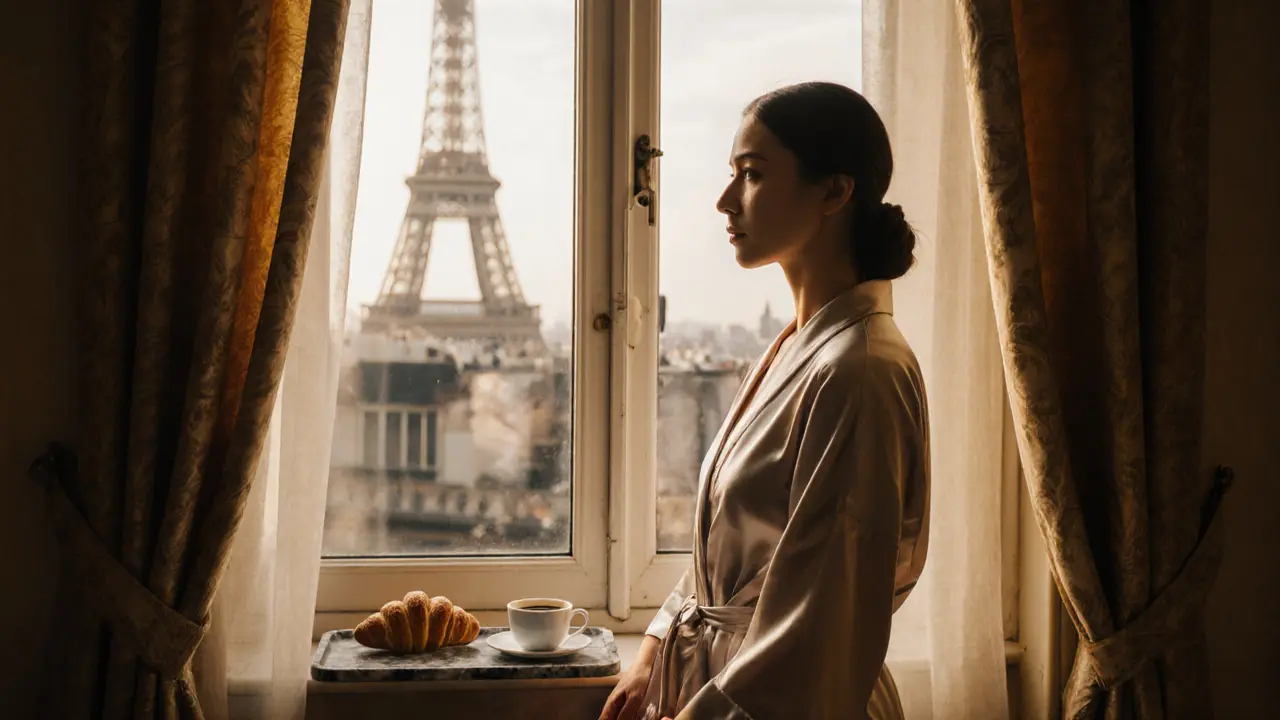
Modern escorts in Paris don’t just advertise on classified sites anymore. Many run Instagram accounts with carefully curated photos: a croissant in Montmartre, a silk robe draped over a vintage armchair in Le Marais, a selfie with the Eiffel Tower in soft focus. These aren’t just promotions - they’re content designed to match the aesthetic of French bohemian luxury that’s been popularized by influencers and fashion brands.
One 2024 survey of 120 independent escorts in Paris found that 78% said their Instagram aesthetic directly influenced client bookings. Clients weren’t just looking for sex - they were paying for the *experience* of being with someone who looked like they stepped out of a Jean-Luc Godard film. The demand isn’t for anonymity anymore. It’s for a persona.
TikTok and the New Rules of Engagement
TikTok didn’t just change music and dance - it changed how people talk about intimacy. In Paris, Gen Z clients now use phrases like "Parisian vibe" or "elegant companionship" because they’ve heard it in viral videos. A 2025 study by the Paris Institute for Social Research found that 62% of clients under 30 discovered escort services through TikTok hashtags like #ParisMuse or #FrenchCharm.
Some escorts have turned this into a business model. One escort, known online as "La Belle de Paris," posts 30-second clips of her morning routine - applying lipstick, walking through Luxembourg Gardens, sipping espresso - with captions like, "Some call it a job. I call it art." Her followers don’t just book her - they comment asking for "the full experience," meaning dinner, conversation, and intimacy, all framed as a cultural encounter.
This isn’t just marketing. It’s redefining what’s acceptable. In the past, clients might have avoided public discussion of escort services. Now, they’re proud to say they met someone "through an influencer." The stigma is fading, replaced by a curated sense of sophistication.
Fashion, Film, and the Fetishization of Frenchness
Popular culture doesn’t just show Paris - it sells it. Chanel, Dior, and Yves Saint Laurent have spent decades tying their brands to the idea of Parisian allure. That same allure is now being borrowed by the escort industry. Many escorts now offer "Chanel package" or "Dior evening" services - where the client is treated to a full evening of French elegance: a bottle of champagne, a vintage dress rented for the night, a walk along the Seine with classical music playing.
French cinema still plays a role. Films like Amour and Blue Valentine have shaped how clients think about emotional intimacy. One escort in the 16th arrondissement told an interviewer, "I don’t just sleep with men. I listen to them. I ask about their childhood. I make them feel seen. That’s what the movies taught me to do - and what they now expect."
Even the language has changed. Clients now ask for "une rencontre culturelle" instead of "une escorte." The shift in terminology reflects a deeper shift: sex is no longer the main attraction. It’s the ambiance, the conversation, the feeling of being in a French movie.
The Rise of the "Cultural Escort"
A new category has emerged: the cultural escort. These are women - and some men - who combine language skills, art knowledge, and emotional intelligence with physical intimacy. Many have degrees in literature, art history, or theater. Some teach French at universities part-time. They don’t just offer sex - they offer immersion.
One client, a 42-year-old American tech executive, booked a cultural escort after watching Midnight in Paris. He didn’t want a hooker. He wanted someone who could explain the symbolism in Monet’s water lilies while they drank wine in her apartment near the Luxembourg Palace. He paid €800 for three hours. "It was the most meaningful night I’ve had in years," he said.
These escorts charge 2-3 times more than traditional providers. Why? Because they’re not selling time. They’re selling authenticity. And in a city where every tourist wants to feel like a local, that’s priceless.
Legal Gray Zones and Cultural Acceptance
France doesn’t criminalize selling sex - but it does criminalize soliciting, pimping, and operating brothels. That creates a legal gray zone. Escorts can’t advertise openly, but they can post photos of themselves in cafés. They can’t run agencies, but they can have Instagram bios that say "Available for private encounters."
Popular culture has blurred the line between what’s legal and what’s socially tolerated. When celebrities like Juliette Binoche or Marion Cotillard are photographed having dinner with younger companions, the public doesn’t ask if it’s prostitution - they assume it’s a romantic relationship. That perception gives escorts in Paris more social cover than ever before.
Police raids on escort services are rare in central Paris. In 2024, only 17 arrests were made related to escort work across the entire city - down from 89 in 2019. Why? Because the industry has become too embedded in the cultural fabric to be easily targeted. It’s no longer seen as a crime - it’s seen as part of Paris’s identity.
Who’s Really in Control?
It’s easy to think the clients are driving demand. But in Paris, it’s often the escorts who are shaping the narrative. Many now write their own scripts - choosing how they’re portrayed, what they offer, and what boundaries they set.
One escort, who goes by the name "Élodie," refuses to work with clients who ask for "the full French experience" unless they can name three French poets. Another only accepts bookings from people who’ve read at least one novel by Marguerite Duras. She doesn’t do this to be elitist - she does it to filter out tourists looking for a cheap thrill.
The result? The escort industry in Paris is becoming more selective, more intellectual, and more culturally aware than ever. It’s no longer about physical availability. It’s about cultural compatibility.
The Future: Beyond the Fantasy
As AI-generated content floods social media, the line between real and staged is getting blurrier. Some escorts now use AI tools to generate captions, edit photos, or even simulate conversations with clients before meeting. Others are pushing back - insisting on raw, unfiltered authenticity.
What’s clear is that the escort industry in Paris won’t survive by clinging to old stereotypes. It’s evolving into something more complex: a hybrid of performance art, emotional labor, and cultural exchange. The women and men who thrive aren’t the ones who look the part - they’re the ones who understand the story behind the image.
Popular culture didn’t create the escort industry in Paris. But it’s the reason it’s still here - and why it’s changing faster than ever.
Is the escort industry legal in Paris?
Selling sexual services is not illegal in France, but buying sex from someone who is being exploited is. Advertising, operating brothels, or profiting from someone else’s work (pimping) is illegal. This creates a gray area where independent escorts operate legally as long as they work alone and don’t promote services openly. Many use discreet social media profiles or word-of-mouth referrals to avoid legal risk.
Why do clients in Paris prefer cultural escorts?
Clients are increasingly seeking more than physical intimacy - they want emotional connection, intellectual stimulation, and cultural immersion. Paris has long been marketed as a city of art, romance, and sophistication. Escorts who embody that image - by speaking French fluently, knowing local history, or sharing meals and conversations - meet a deeper need. It’s not just about sex; it’s about feeling like you’ve stepped into a French film.
How has social media changed the escort industry in Paris?
Social media has shifted the industry from hidden ads to curated personal brands. Escorts now use Instagram, TikTok, and dating apps to build identities around elegance, intelligence, and lifestyle. Clients book based on aesthetic, tone, and perceived authenticity - not just price or location. This has raised the bar for service quality and increased earnings for those who can craft a compelling narrative.
Are escorts in Paris mostly French nationals?
No. While many are French, a significant portion come from Eastern Europe, North Africa, and Latin America. What unites them is often language skill and cultural adaptability. Many have studied French literature, art, or theater. Their ability to speak fluently and understand local customs is what makes them desirable to clients - not their nationality.
Do escorts in Paris face stigma from the public?
Stigma has decreased significantly, especially in central Paris. With the rise of influencers and the normalization of "sugar dating" and companion services, many Parisians now view escort work as a form of freelance service work - similar to modeling or private tutoring. Public perception is shifting from moral judgment to pragmatic acceptance, particularly when the work is framed as intellectual or cultural.
What’s the average income for an escort in Paris?
Earnings vary widely. Traditional escorts charge €150-€300 per hour. Cultural escorts - those who offer conversation, dining, and curated experiences - often charge €500-€1,200 per session. Top-tier providers with strong personal brands can earn over €5,000 per month working part-time. Income depends on presentation, language skills, and ability to create a unique experience.